Technical Insight
There's no universal "best" diaphragm — only the one that's right for your operating conditions. Drawing on years of manufacturing experience and our materials database, here's how we approach material selection.
Common Causes of Diaphragm Failure
Fatigue
Fatigue life is the number of stress cycles a material withstands before failure — the higher the cycling frequency, the more demanding the requirement for fatigue resistance.
Corrosion
Corrosive media can attack a diaphragm through pitting, intergranular corrosion, or stress corrosion, steadily lowering its fatigue limit until it fails.
Stress
Impurities in the gas, gas-side contamination, unstable pressure, misalignment during installation, and residual stress from cold working can all cause premature failure, well short of the expected fatigue life.
Selection Case Studies
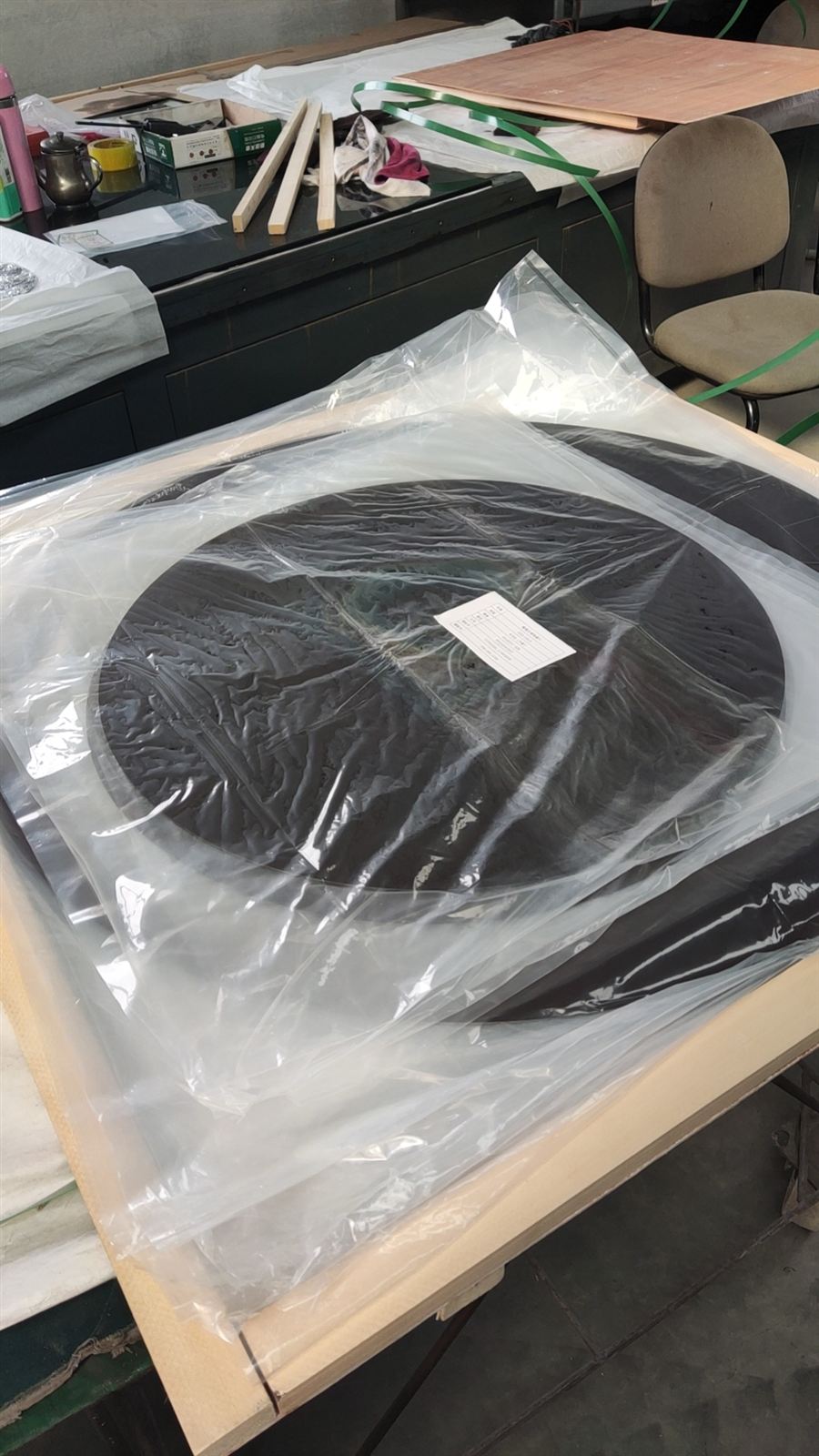
Custom Diaphragm for a Highly Corrosive Environment
A customer's gas-side diaphragm kept failing in a highly corrosive environment, and none of the alternatives they tried lasted over 700 hours. After working with the customer and analyzing the failed diaphragms, our engineers traced the problem back to the original material selection. We designed a custom, highly corrosion-resistant diaphragm that has now been running for more than 4,800 hours as of July 2026.
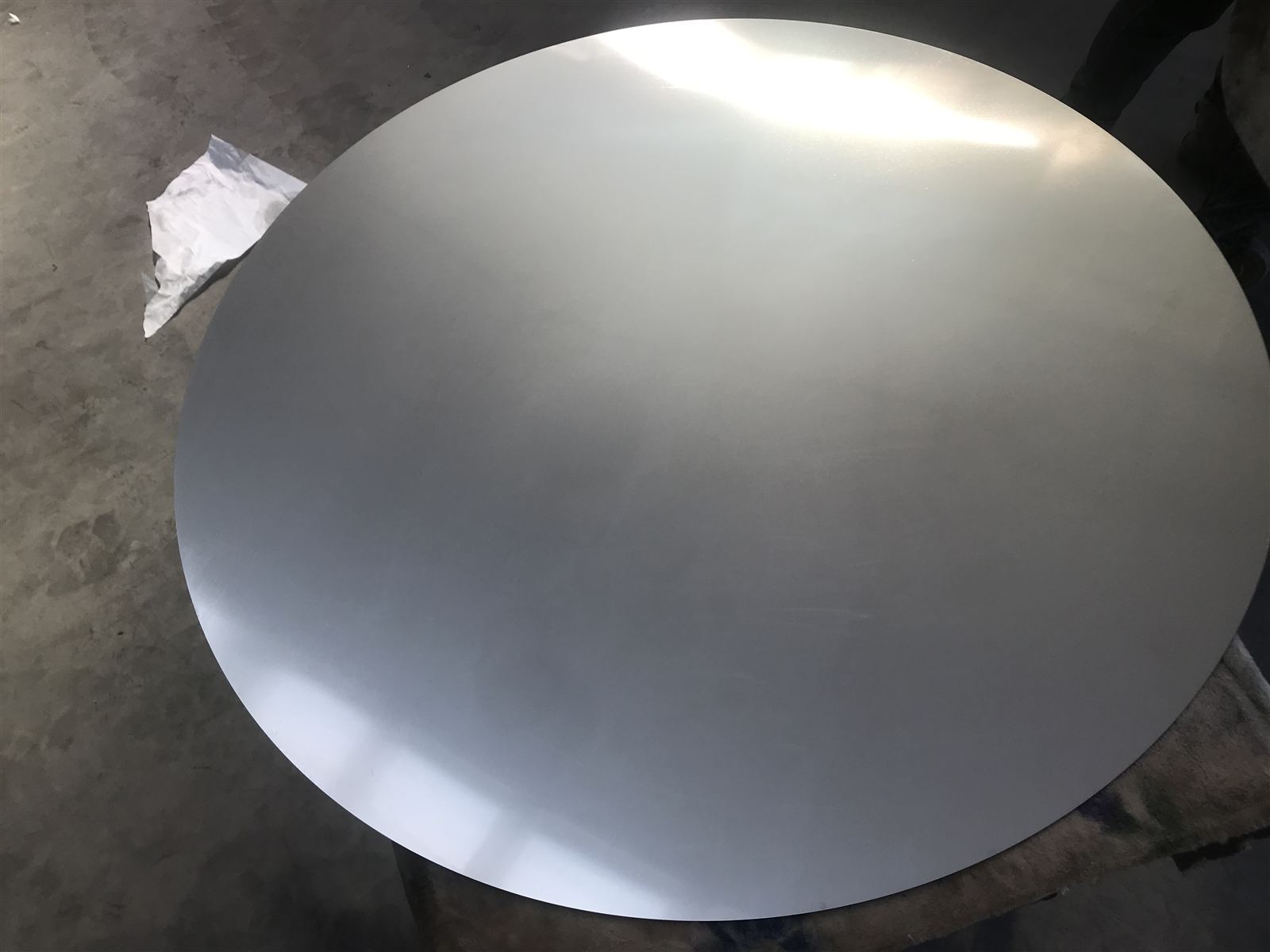
Inconel 718
A hydrogen refueling station supplier in South Korea asked us to develop a diaphragm to replace one from a well-known American brand. After a year of R&D and process refinement, we delivered a diaphragm with comparable overall performance and flatness, at roughly half the cost, running just as long as the original.
(After solution treatment and aging, Inconel 718 offers strong resistance to hydrogen embrittlement and holds up well mechanically under high temperature and pressure, giving it a long fatigue life. It's widely used in hydrogen refueling stations, defense, and nuclear power, with a theoretical service life above 12,000 hours. )
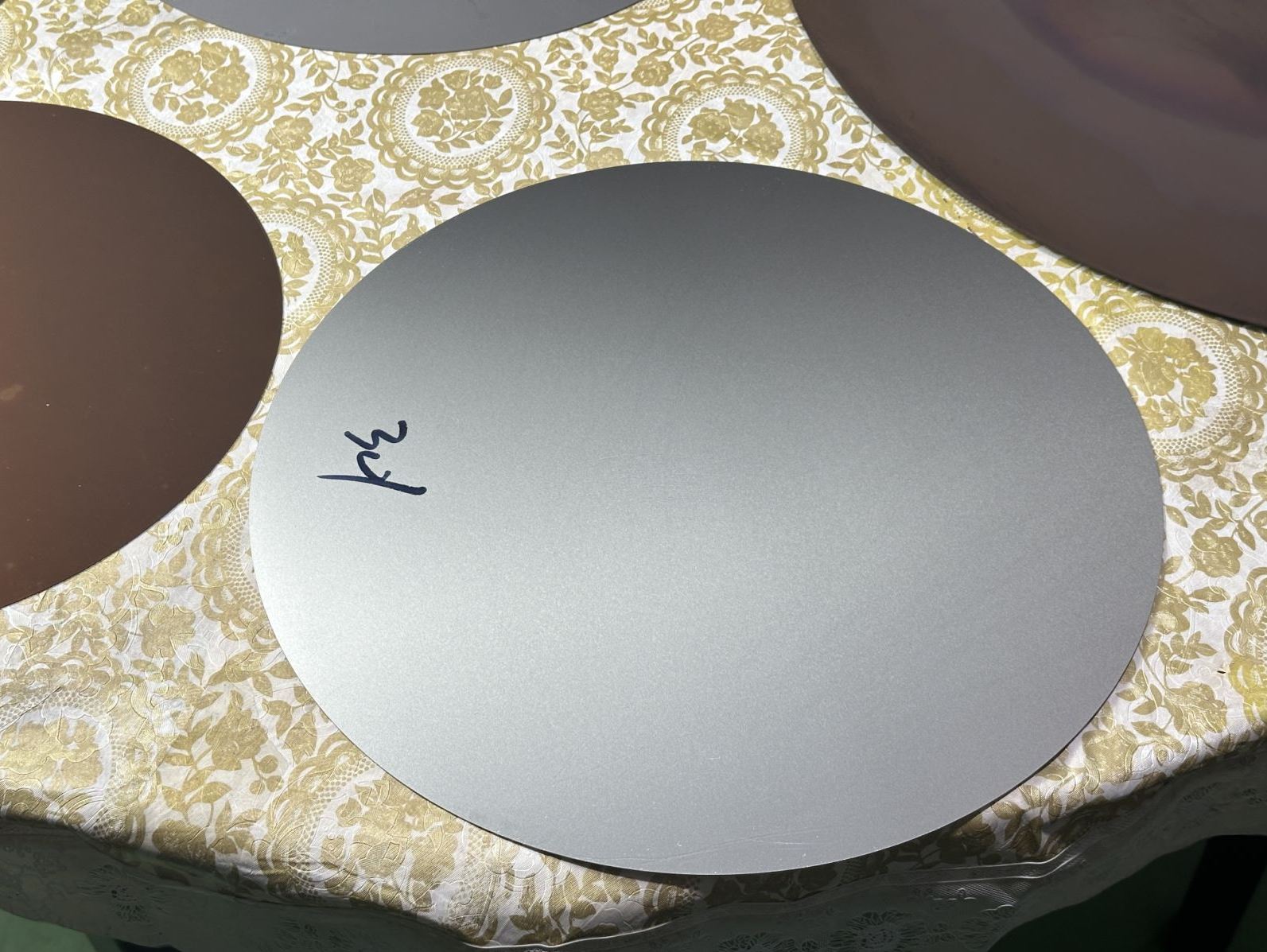
Working Through a Processing Issue on SUS301
A manufacturer used to manufacture its own SUS301 diaphragms in-house, but ran into problems with flatness, surface scratches, burrs at the edges and center slots, weld beads after cutting, and mechanical properties that fell short of requirements. After understanding their needs, our engineers advised on equipment, process flow, and quality control. Once the customer weighed the total cost of effort and investment, they chose to partner with us instead.
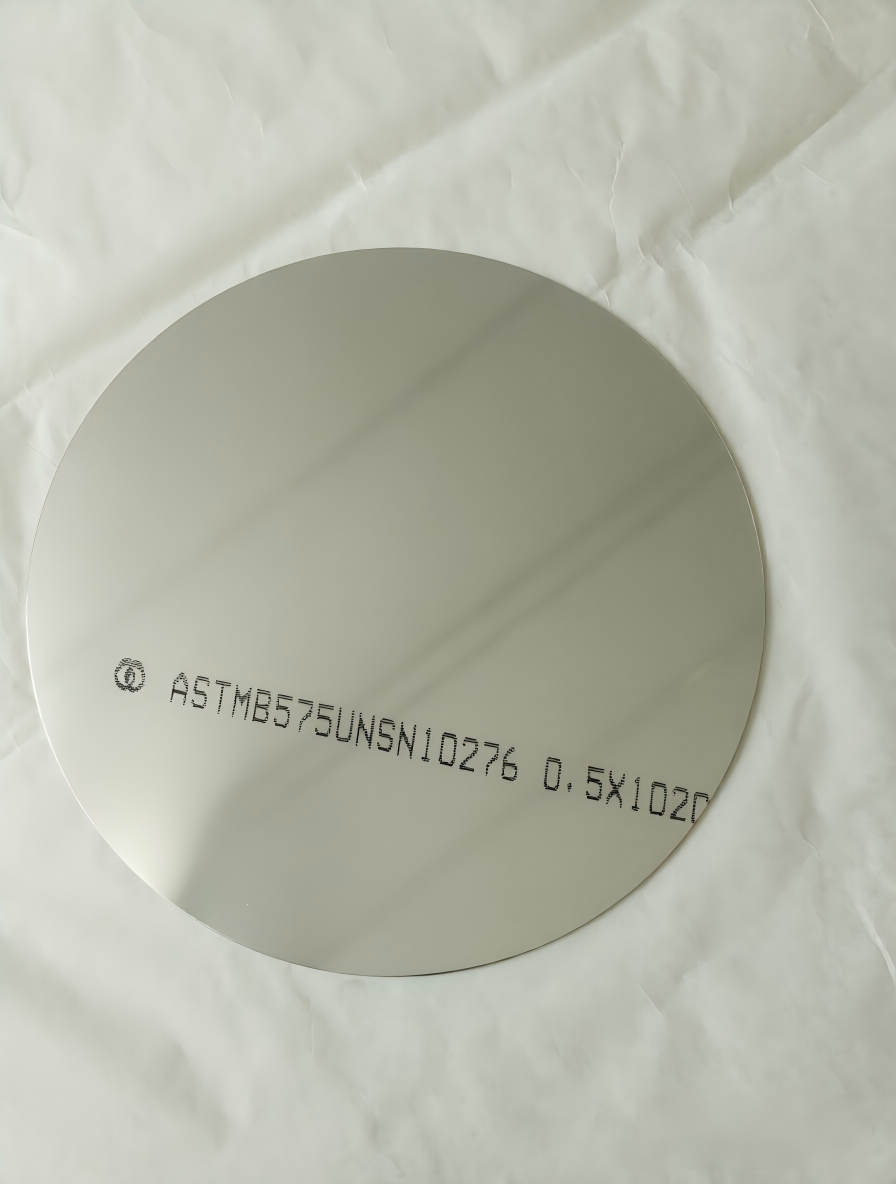
Extending Diaphragm Life for a Chemical Plant Customer
Customers from a chemical plant in Shandong inquired us about their pain with the diaphragm compressors: their diaphrams could only last for 300-800 hours, they had to change the diaphragms frequently. We sent engineers to the site to observe the replacement process firsthand, and found gas-line impurities and high moisture the customer's own system couldn't improve. The only way forward was a better-matched diaphragm. After we supplied a carefully selected diaphragm at no charge, the first set has passed 1,500 hours successfully and is still working up to July 2026.